

Zhengzhou Newin Machinery CO.,LTD. was established in year of 2013, which is one of the leading and professional meat cutter machine manufacturers in China. We have good technical force in meat processing machinery, have production technology, and supporting production equipment. For many years, we have produced a series of large, medium and small equipment for users to process meat products.
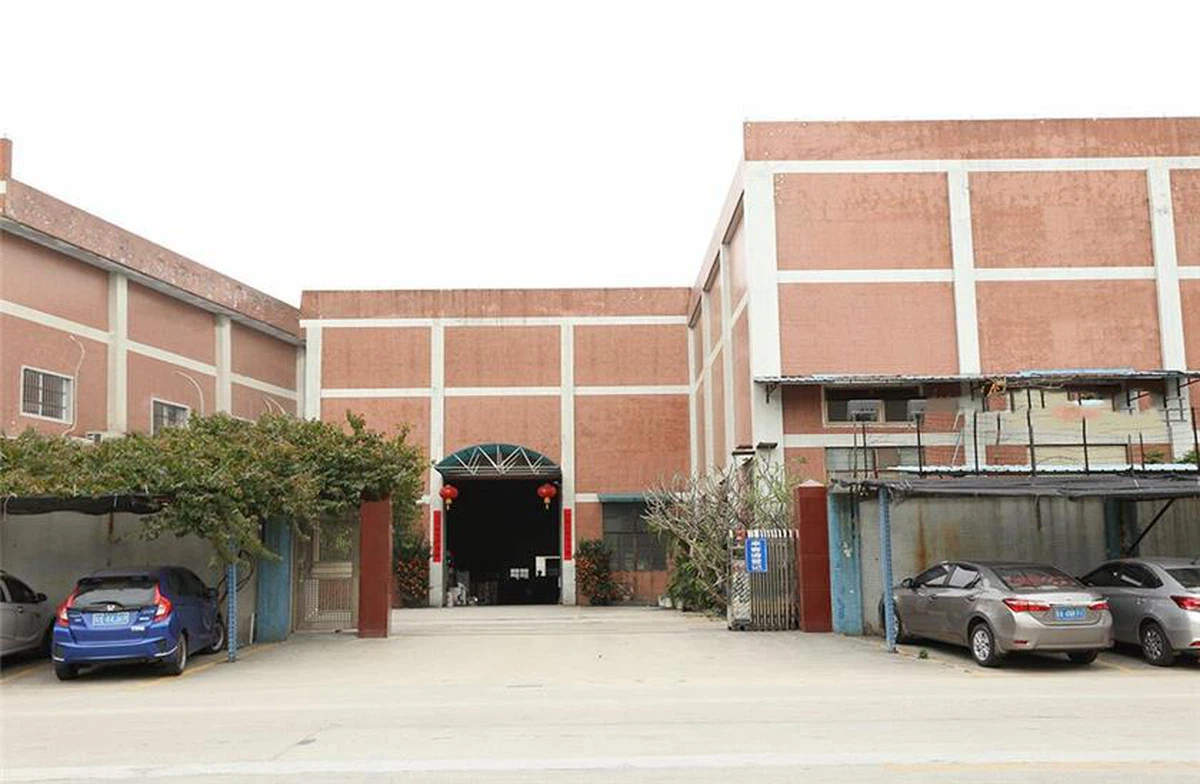
Our factory locations in Guangzhou City, near to Guangzhou and Shenzhen ports. Since its inception, with the belief of "quality first, credit first", it has continuously developed and produced new and hygienic meat cutting machine and other food machinery. Our products have also experienced market verification for many years.

Why choose us?
01
Product application
Our Meat processing machines are suitable for catering or meat processing enterprise, restaurant, canteen, supermarket etc.
02
Our certificate
We believe our quality is our culture. Our meat processing machine meet the highest quality requirements as stipulated in ISO9001, CE, and our stringent quality control system.
03
Production market
Our products had already exported to all over the world, such as Europe countries, Australia, north America, south America, middle east and Asia countries. And we have agents in America.
04
24h online service
24 hours online to solve any problem. Supply you the English manual book and technical support, maintain and install video to help you solve the problem.


What is Meat Tenderizer
A meat tenderizer or meat pounder is a hand-powered tool used to tenderize slabs of meat in the preparation for cooking. Although a meat tenderizer can be made out of virtually any object, there are three types manufactured specifically for tenderizing meat. Tenderizing meat with the mallet softens the fibers, making the meat easier to chew and to digest. It is useful when preparing particularly tough cuts of steak, and works well when broiling or frying the meat. It is also used to "pound out" dishes such as chicken-fried steak, palomilla, and schnitzel, to make them wider and thinner.
Benefits of Meat Tenderizer
Faster speed
Manually tenderizing each cut of meat takes a considerable amount of time and effort, especially for larger cuts. However, a meat tenderizer machine can process large meat cuts in minutes, resulting in a dramatic decrease in processing time. With a machine, your restaurant can handle meat preparation in a fraction of the time, leaving kitchen staff with more time to focus on other tasks.
Greater efficiency
Speed is part of efficiency, but so is consistency. We previously mentioned that machines are more consistent in creating the same tenderized texture in various meats. When staff can trust this consistency, they can focus on other tasks that help the kitchen run at its best.
Control cut and consistency
Staff often struggle to control meat tenderizing consistency across different cuts when using a manual tool such as a mallet. Machines allow for more control over the level of tenderness, ensuring an even cook throughout and a consistent taste and presentation. This control helps chefs achieve the exact texture and flavor desired for each cut of meat.
Control safety and hygiene
Meat tenderizer machines offer better hygiene and safety control compared to mallets. Mallets present a risk of cross-contamination, potentially spreading bacteria or pathogens present on the surface of the mallet to the meat during preparation. Since most machines have non-porous surfaces, they are less likely to spread bacteria or pathogens. They are also easier to clean, which we will explain in more depth later.
Types of Meat Tenderizer

Meat mallet
A meat mallet, also known as a meat hammer, is a handheld tool with a flat or textured surface on one end. Chefs use meat mallets to manually pound cuts of meat to physically break down tough fibers and connective tissues, resulting in a tenderized product ready for cooking.
Blade meat tenderizer
A blade meat tenderizer, or prong meat tenderizer, features a series of sharp blades or needles that pierce the surface of the meat. By creating small incisions, blade tenderizers help to soften tough cuts and allow marinades and seasonings to penetrate deeper, enhancing flavor and texture.


Hand crank meat tenderizer
Hand crank meat tenderizers are a type of manually powered meat tenderizer that utilizes a rotating crank to drive sharp blades or spikes into tough cuts of meat, breaking down connective tissues for a more tender texture. These tenderizers are ideal for commercial kitchens that use tenderized meat regularly on their menu, allowing chefs to process a batch of meat quickly with minimal effort and no sound disturbances.
Electric meat tenderizer
Electric meat tenderizers are powered machines that automate the tenderizing process, saving time and effort in commercial kitchens. These devices feature rotating blades or needles that pierce the meat quickly and efficiently. Often available with adjustable settings for thickness and speed, electric meat tenderizers offer consistent results and are ideal for high-volume operations such as restaurants, butcher shops, and catering businesses.

How Versatile is a Meat Tenderizer
Garlic
You can crush and pound garlic bulbs (yes, amongst all these new garlic crushing tips and tricks, this one takes the cake). What’s better than one quick smash and peel? You can also crack peanuts, shell walnuts, pecans, pistachios, and of course, the greatest snack of all time – Groundnuts.
Potatoes
Not convincing enough? Okay, gotcha, gotcha. What’s one thing all human beings have in common? – Our love for potatoes. Sorry to break it to you, but mash potatoes are slowly becoming a thing of the past. But, smash potatoes? Now we’re talking. Get yourself a bag of fingerling potatoes or golden, Yukon potatoes. Slice and season them with olive oil and herbs according to your desirability, and instead of using glass bottoms, get your tenderizer out. You know the next step. Smash them just halfway through, thin enough to be thin cutlets as an addition to a family lunch or a quick snack. Sublime!
Peppercorns
You can use a tenderizer as an evolved version of a mortar and pestle. Crush those peppercorns for the passed-down recipe of your family’s steak with creamy peppercorn sauce. Or, Cacio e Pepe. You can even wrap some ice in a kitchen towel and smash it up for a chilled glass of Bailey’s. That sounds divine, doesn’t it?
Ginger
If you need some hearty bowls of soup in this chilly weather, you can use your tenderizer to even out and smash some ginger or lemongrass.
Lemongrass
The same goes for a cup of masala or herbal tea. There are plenty of ingredients that go in different teas in different countries. Cinnamon crisps, smashed berries and orange peels, coconut shells. All of these ingredients need a good smash and pound, so feel free to bring out your tenderizer, and keep the rolling pin back in its place.
Seafood
When you’re making seafood at home, you can use it to crack lobster or crab shells as well. The shape of your tenderizer (hammer-shaped or masher-shaped) is ideal for cracking lobster or crab shells without damaging or pulverizing the shell.
Desserts
If you fancy a cheesecake, you can use your preferred choice of biscuits or cookies and pulverize them with a tenderizer too. Need some brownie or cookie crumbs for frozen yogurt or homemade ice cream? In that case, once you’re done baking these sweet treats, allow them to cool down. Once they’re at room temperature, put them in the refrigerator or freezer. When you’ve achieved the desired texture, get your tenderizer out and get smashing. And Voila, the perfect toppings.
How to Maintain Meat Tenderizer
Remove and dismantle
You should begin by taking everything apart piece by piece when you’re preparing to clean your commercial meat tenderizer machine. This is important for inspection purposes.
You can take out chunks of meat that may have become stuck in the machine throughout the shift and tidy it up a bit. Once you have completely disassembled everything, you can move on to the next step.
Soap and scrub
After you’ve disassembled everything, you’ll need piping hot soap and water prepared in a hot tub. You’ll need to let the larger parts soak for at least 5 to 10 minutes to loosen any of the larger pieces of meat that might still be on the equipment. This will also allow the smaller bits to break down and keep them off the equipment.
While this is going on, you should spray down the main housing of the equipment from top to bottom. Do not miss any inch of the machine to get off any residue or chunks of meat that may be present. Once you have let your parts soak, make sure to scrub them down well and rinse. Then you can move to the final step.
Air dry
Over roughly an hour, you’ll need to let everything air dry. When you do this, you’ll then be able to reassemble the machine.
After reassembly, make sure to plug it in and turn it on to ensure that everything is in working order. If it is, then you’re good to go, and you’re ready for the next shift.
We found in testing that the best meat tenderizer for versatile home cooking would be a mallet-style pounder. This variety can do more than just tenderizing meats such as pork and chicken cutlets; it can also be used to crush items like graham crackers or tackle tasks like cracking lobster shells and smashing garlic cloves.
For this type, a heavier mallet head and a lighter handle strike a beneficial balance, offering a powerful swing that requires less effort. Most people are looking for some precision and accuracy, so an ideal model should have a small pounding surface to provide targeted action, yet not so small that it becomes ineffective or causes dents in the meat.
We also found that mallets with rounded edges were less likely to tear the meat when pounding.
Look for models with rounded handles featuring silicone coverings. They're comfortable to hold for prolonged periods and also ensure an easy grip, mitigating the chances of slippage or accidental drops during use.
If a bladed tenderizer is what you need, it should be durable and sharp, designed with high-quality, rust-resistant materials that can withstand repeated use. Also, consider the number of blades. More blades mean more cuts per punch, producing more tender meat in less time. But remember, it's not just about the quantity; the arrangement of the blades is equally essential. They should be spaced adequately to ensure even tenderizing and optimal flavor penetration without turning the meat into mush.
We liked blade tenderizers with a comfortable, non-slip grip that can safely withstand the pressure exerted during use. Lastly, the tenderizer should be easy to clean. Models that can be disassembled or are dishwasher-safe offer a clear advantage, as they allow for thorough cleaning to prevent leftover meat residues from contaminating future uses.
Our Factory
Our factory locations in Guangzhou City, near to Guangzhou and Shenzhen ports. Since its inception, with the belief of "quality first, credit first", it has continuously developed and produced new and hygienic meat cutting machine and other food machinery. Our products have also experienced market verification for many years.
FAQ
As one of the most professional meat tenderizer manufacturers and suppliers in China, we're featured by quality products and competitive price. Please rest assured to buy meat tenderizer for sale here from our factory.
Meat Mixer