

The meat bowl chopping machine uses the chopping effect of the rotation of the chopping knife to cut the meat and auxiliary materials into meat filling or puree, and can add auxiliary materials and borneol.
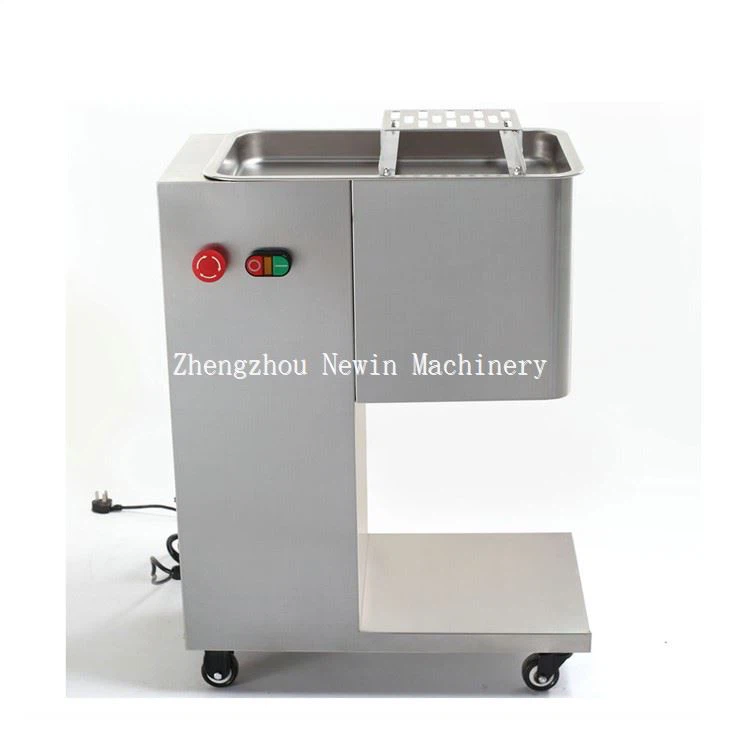
The whole machine is made of SUS304 stainless steel plate, with reasonable structure, beautiful appearance and easy cleaning.
A meat bowl cutter machine, also known as a bowl chopper or meat cutter mixer, is a specialized piece of equipment used in the food processing industry for chopping, emulsifying, and mixing meat and other ingredients. The machine consists of a large rotating bowl or container equipped with multiple sharp blades or knives mounted on a central shaft. Meat bowl cutter machines offer several advantages over traditional methods of meat processing, including increased efficiency, consistency, and product quality. They allow for precise control over the texture and consistency of the final product, resulting in uniformity and improved sensory attributes. Additionally, the emulsifying action of the machine helps bind the meat proteins and fats, enhancing the overall taste, juiciness, and mouthfeel of the finished meat products.
Advantages of Meat Bowl Cutter Machine
Efficiency
The machine automates the process of chopping, mixing, and emulsifying meat and ingredients, reducing manual labor and increasing production efficiency. It can handle large volumes of meat in a shorter time compared to manual methods, improving overall productivity.
Consistency
By precisely controlling the speed, duration, and blade configuration, the machine ensures consistent particle size and texture of the processed meat. This consistency enhances product quality and uniformity, meeting consumer expectations and regulatory standards.
Versatility
Meat bowl cutter machines are versatile and can process various types of meat, including beef, pork, poultry, and seafood, as well as other ingredients such as spices, seasonings, and additives. They can be used to produce a wide range of meat products, including sausages, burgers, meatballs, and pâtés.
Texture control
The machine allows operators to adjust the cutting and mixing parameters to achieve the desired texture and mouthfeel of the final product. This flexibility enables customization according to consumer preferences and market trends, ensuring product differentiation and competitiveness.


Why Choose Us
Professional team
Our professional team collaborate and communicate effectively with one another, and are committed to delivering high-quality results. They are capable of handling complex challenges and projects that require their specialized expertise and experience.
One stop solution
We can offer a range of services, from consultation and advice to product design and delivery. It is a convenience for the customers, as they can get all the help they need in one place.
Innovation
We are dedicated to improving our systems continually, ensuring that the technology we offer is always cutting edge.
24h online service
We try and respond to all concerns within 24 hours and our teams are always at your disposal in case of any emergencies.
Vacuum bowl cutter
Vacuum bowl cutter machines integrate vacuum technology into the processing chamber to remove air from the mixture during chopping and mixing. Vacuum helps improve product quality by reducing oxidation, preserving color, and enhancing texture, flavor, and shelf life. These machines are commonly used for producing high-quality processed meats, such as deli meats and sausages.
Multi-function bowl cutter
Multi-function bowl cutter machines offer versatility by incorporating additional features and capabilities, such as grinding, mixing, emulsifying, and cooking. They are equipped with various attachments and accessories to perform multiple processing tasks in a single machine, streamlining production processes and maximizing efficiency.


Small bowl chopper
A small bowl chopper, also known as a mini bowl cutter or compact bowl cutter, is a specialized piece of equipment used in food processing, particularly in small-scale or artisanal operations. It is designed to efficiently chop, mix, and emulsify small batches of ingredients, including meat, vegetables, herbs, and spices. The small bowl chopper typically features a compact footprint and a smaller processing chamber compared to larger industrial-scale bowl cutter machines. Despite its size, it offers high performance and versatility, allowing operators to achieve precise control over the texture and consistency of the processed ingredients.
Bowl chopper machine meat
A bowl chopper machine for meat is a specialized piece of equipment used in the food processing industry to efficiently chop, mix, and emulsify meat and other ingredients. It typically consists of a large rotating bowl or container equipped with sharp blades or knives that chop the meat into fine particles while blending it with spices, seasonings, and other additives. These machines are widely used in meat processing plants, butcher shops, and food manufacturing facilities to produce various meat products such as sausages, burgers, meatballs, and deli meats. Bowl chopper machines for meat offer advantages such as increased efficiency, consistency, and versatility, allowing operators to achieve precise control over the texture and quality of the final product.
How Does a Meat Bowl Cutter Machine Work
Loading ingredients: The meat and other ingredients, such as spices, seasonings, and additives, are loaded into the bowl of the machine. The ingredients are carefully measured and placed into the bowl according to the desired recipe and production requirements.
Chopping action: Once the ingredients are loaded, the bowl chopper machine is activated, and the blades or knives inside the bowl begin to rotate at high speeds. As the blades rotate, they chop the meat and other ingredients into fine particles, breaking down the muscle fibers and ensuring uniform distribution of flavors and seasonings throughout the mixture.
Mixing and emulsifying: In addition to chopping, the rotating blades also mix and emulsify the ingredients, blending them together to create a homogeneous mixture. This mixing action helps bind the meat proteins and fats, resulting in a smooth, uniform texture and enhancing the overall quality of the final product.
Control and adjustment: Operators have control over various parameters of the machine, such as blade speed, processing time, and bowl rotation, allowing them to adjust the processing conditions to achieve the desired texture and consistency of the processed meat mixture. This flexibility enables customization according to specific recipe requirements and product specifications.
What Are the Main Components of a Meat Bowl Cutter Machine

Bowl or container: The bowl or container is the main housing of the machine where the meat and other ingredients are loaded for processing. It is typically made of stainless steel for durability, hygiene, and ease of cleaning. The bowl may have a capacity ranging from small to large, depending on the size and capacity of the machine.

Blades or knives: Inside the bowl, there are multiple sharp blades or knives mounted on a central shaft. These blades rotate at high speeds to chop, mix, and emulsify the meat and other ingredients. The design and configuration of the blades can vary depending on the specific application and processing requirements.

Motor and drive system: A powerful motor provides the driving force to rotate the blades and bowl assembly. The motor is typically located beneath the bowl and is connected to the central shaft via a drive system, such as gears or belts. The motor's speed and torque can be adjusted to control the processing parameters and achieve the desired texture and consistency of the meat mixture.

Control panel: The machine may feature a control panel or interface where operators can adjust and monitor various processing parameters, such as blade speed, processing time, and bowl rotation. The control panel allows for precise control over the machine's operation and enables operators to customize processing conditions according to specific recipe requirements and product specifications.
Safety features: Meat bowl cutter machines are equipped with safety features to protect operators and ensure safe operation. These may include safety interlocks, emergency stop buttons, and safety guards to prevent access to moving parts during operation. Additionally, some machines may have overload protection mechanisms to prevent damage to the motor and components.

Frame and support structure: The machine is supported by a sturdy frame or support structure that provides stability and rigidity during operation. The frame may be constructed from stainless steel or other durable materials and is designed to withstand the forces and vibrations generated during processing.
How Does a Meat Bowl Cutter Machine Differ from Other Meat Processing Equipment
A meat bowl cutter machine differs from other meat processing equipment primarily in its function, design, and processing capabilities. Here are some key differences between a meat bowl cutter machine and other types of meat processing equipment:
Function: A meat bowl cutter machine is specifically designed to chop, mix, and emulsify meat and other ingredients to produce processed meat products such as sausages, meatballs, and deli meats. In contrast, other meat processing equipment, such as meat grinders, slicers, and tenderizers, perform specific functions such as grinding, slicing, and tenderizing meat but do not have the capability to mix and emulsify ingredients.
Processing method: A meat bowl cutter machine utilizes a chopping and mixing action to process meat and ingredients inside a rotating bowl or container. The sharp blades or knives inside the bowl chop and mix the ingredients to achieve the desired texture and consistency. In comparison, meat grinders use grinding plates or blades to grind meat into various textures, while meat slicers use rotating blades to slice meat into uniform slices.
Versatility: Meat bowl cutter machines offer versatility in processing a wide range of ingredients, including meat, vegetables, herbs, spices, and additives. They can be used to produce various meat products with different textures and flavors. Other meat processing equipment, such as meat grinders and slicers, are designed for specific tasks and are less versatile in terms of the types of ingredients they can process.
Control and customization: Meat bowl cutter machines provide operators with control over processing parameters such as blade speed, processing time, and bowl rotation, allowing for customization according to specific recipe requirements and product specifications. This flexibility enables operators to achieve consistent results and tailor products to meet consumer preferences. Other meat processing equipment may offer limited control and customization options.
Production scale: Meat bowl cutter machines are available in a range of sizes and capacities to accommodate different production scales, from small-scale artisanal operations to large-scale industrial facilities. They are suitable for both small-batch and high-volume production. In contrast, other meat processing equipment may be designed for specific production scales or applications, such as countertop meat grinders for home use or industrial meat slicers for large-scale commercial operations.
What Safety Features Are Typically Included In Meat Bowl Cutter Machines
Safety Interlocks
Meat bowl cutter machines are often equipped with safety interlocks that prevent the machine from operating when certain components, such as the bowl cover or access panels, are not securely in place. This helps prevent accidental operation and reduces the risk of injuries to operators.
Emergency Stop Button
An emergency stop button is usually located on the control panel or within easy reach of the operator. Pressing the emergency stop button immediately halts the operation of the machine in case of an emergency or unsafe condition, allowing operators to quickly stop the machine if necessary.
Safety Guards
Meat bowl cutter machines may be fitted with safety guards or enclosures around the bowl and blade assembly to prevent operators from accessing moving parts during operation. These guards help protect operators from injuries caused by accidental contact with rotating blades or moving components.
Overload Protection
Some meat bowl cutter machines are equipped with overload protection mechanisms that automatically shut off the machine if it detects excessive loads or motor overheating. This helps prevent damage to the motor and components, prolonging the lifespan of the machine and ensuring safe operation.
Lockout/Tagout System
In industrial settings, meat bowl cutter machines may be integrated into a lockout/tagoutf (LOTO) system, which is a safety procedure used to ensure that machines are properly shut off and cannot be restarted during maintenance or servicing. This helps prevent accidental startup and protects maintenance personnel from injury.
Anti-Slip Feet
Meat bowl cutter machines may have anti-slip feet or base pads to provide stability and prevent the machine from moving or sliding during operation. This helps reduce the risk of accidents caused by the machine shifting or tipping over during use.
What Are the Different Types of Mincing Plates Available for Meat Bowl Cutter Machines
Fine mincing plates have small holes or perforations, resulting in finely ground meat with a smooth texture. They are suitable for applications where a finer texture is desired, such as making pâtés, spreads, and fine sausages.
Medium mincing plates have slightly larger holes compared to fine plates, resulting in ground meat with a medium texture. They are versatile and can be used for a wide range of meat processing applications, including making burgers, meatballs, and sausages.
Coarse mincing plates have larger holes or perforations, resulting in coarsely ground meat with a chunkier texture. They are ideal for applications where a more rustic texture is desired, such as making meatloaf, chili, and coarse sausages.
Double-cut plates have double-sided cutting edges, allowing for more efficient and faster grinding of meat. They produce a consistent grind with reduced heat buildup, resulting in improved product quality and texture.
How Is the Cutting Speed Adjusted in a Meat Bowl Cutter Machine
Variable speed control
Many meat bowl cutter machines are equipped with variable speed control mechanisms that allow operators to adjust the speed of the blades or knives according to specific processing requirements. The control panel may feature a dial, knob, or digital display that enables operators to increase or decrease the blade speed as needed.
Programmable settings
Some advanced meat bowl cutter machines may offer programmable settings that allow operators to preset and store different cutting speeds for specific recipes or products. Operators can input the desired cutting speed and other processing parameters into the machine's control system, which can then be recalled and activated as needed.
Manual adjustment
In some cases, the cutting speed of the blades or knives may be adjusted manually by changing the settings or configuration of the machine's drive system. This may involve adjusting belts, pulleys, gears, or other mechanical components to change the speed of the motor and blades.
Safety interlocks
Meat bowl cutter machines may be equipped with safety interlocks that prevent operators from adjusting the cutting speed while the machine is in operation. This helps ensure safe operation and prevents accidental changes to the processing parameters.
What Are the Power Requirements for Operating a Meat Bowl Cutter Machine
The power requirements for operating a meat bowl cutter machine depend on several factors including the size, capacity, and specifications of the machine. Generally, meat bowl cutter machines are powered by electric motors ranging in power from a few hundred watts to several kilowatts. Smaller, tabletop models designed for small-scale or artisanal operations typically require lower power inputs, typically ranging from 0.5 kW to 2 kW. These machines are suitable for processing smaller batches of meat and ingredients.
In contrast, larger industrial-scale meat bowl cutter machines used in commercial meat processing facilities may have higher power requirements, ranging from 3 kW to 15 kW or more, depending on the processing capacity and production volume. These machines are designed to handle larger quantities of meat and ingredients and may incorporate additional features such as higher blade speeds, larger bowl capacities, and more robust construction to withstand heavy-duty use. The specific power requirements for a meat bowl cutter machine can also be influenced by factors such as the type of meat being processed, the desired processing parameters (such as cutting speed and processing time), and any additional features or accessories integrated into the machine.
The Production Process of Meat Bowl Cutter Machine


Material Procurement
Once the design phase is complete, the next step is to procure the necessary materials and components required for manufacturing the meat bowl cutter machine. This may include stainless steel for the bowl and blades, motors, electronic controls, bearings, and other mechanical and electrical components.
Machining and fabrication
The raw materials are then processed through machining and fabrication processes to create the individual components of the meat bowl cutter machine. This may involve cutting, drilling, milling, turning, and grinding operations to shape and finish the parts to the required specifications.
Assembly
The machined components are assembled into sub-assemblies and then into the final assembly of the meat bowl cutter machine. Skilled technicians carefully fit together the various parts, including the bowl, blades, motor, drive system, control panel, and safety features, following precise assembly instructions and quality standards.
Electrical wiring and integration
If the meat bowl cutter machine includes electrical components such as motors, sensors, and controls, it undergoes electrical wiring and integration during assembly. Qualified electricians wire the components according to wiring diagrams and connection schematics, ensuring proper functioning and safety.
Quality assurance and testing
Once assembled, the meat bowl cutter machine undergoes rigorous quality assurance and testing procedures to verify its performance, accuracy, and safety. This may include functional tests, performance tests, and safety checks to ensure that the machine meets or exceeds industry standards and specifications.
How to Use Meat Bowl Cutter Machine
Using a meat bowl cutter machine involves several steps to ensure safe and efficient operation. Here's a general guide on how to use a meat bowl cutter machine:
1. Preparation
- Ensure that the meat bowl cutter machine is clean and sanitized before use. Clean all parts, including the bowl, blades, and other components, using approved cleaning agents and procedures.
- Inspect the machine for any signs of damage or wear. Replace any worn or damaged parts to ensure safe operation.
- Prepare the ingredients for processing, including the meat, spices, seasonings, and other additives. Ensure that the ingredients are fresh and properly portioned according to the recipe.
2. Setup
- Place the meat bowl cutter machine on a stable and level surface, ensuring that it is securely anchored to prevent movement during operation.
- Install the appropriate mincing plate on the machine's cutting assembly, selecting the plate size based on the desired texture and consistency of the processed meat.
3. Loading ingredients
- Open the lid or cover of the meat bowl cutter machine and carefully load the ingredients into the bowl. Add the meat and other ingredients in batches, ensuring that the bowl is not overfilled to prevent spillage during operation.
- Close the lid or cover securely to prevent ingredients from splashing out during processing.
4. Adjust settings
- Adjust the cutting speed and processing parameters on the machine's control panel or interface, as needed.
5. Start operation
- Start the meat bowl cutter machine by activating the motor or power switch. Ensure that all safety interlocks are engaged and that operators are clear of moving parts.
- Monitor the machine during operation to ensure that it is running smoothly and that ingredients are being processed evenly.
6. Processing
- Allow the machine to run for the specified duration, typically until the desired texture and consistency of the processed meat are achieved. Monitor the processing time and adjust as needed to achieve the desired results.
7. Shutdown
- Once processing is complete, stop the machine by deactivating the motor or power switch. Wait for all moving parts to come to a complete stop before opening the lid or cover.
- Carefully remove the processed meat from the bowl using appropriate tools or utensils. Ensure that the machine is turned off and unplugged before cleaning and maintenance.
8. Cleaning and maintenance
- Clean the meat bowl cutter machine thoroughly after each use to remove any residual meat and debris. Disassemble the machine as needed to clean hard-to-reach areas, such as the bowl and blades.
- Regularly inspect and maintain the machine, including lubricating moving parts, tightening fasteners, and replacing worn or damaged components as needed.
Power off
Before cleaning the meat bowl cutter machine, ensure that the power is turned off and that the machine is unplugged from the electrical outlet. This prevents accidental startup of the machine while cleaning and reduces the risk of electric shock.
Lockout/tagout
In industrial settings, implement a lockout/tagout (LOTO) procedure to ensure that the machine is safely shut down and cannot be restarted during cleaning and maintenance. Lockout devices and tags should be used to secure energy sources and prevent unauthorized operation.
Wear protective gear
Wear appropriate personal protective equipment (PPE), such as gloves, safety goggles, and aprons, to protect against chemical splashes, sharp edges, and other hazards during cleaning. Non-slip footwear is also recommended to prevent slips and falls.
Use safe cleaning agents
Use approved cleaning agents and sanitizers recommended by the machine manufacturer to clean and sanitize the meat bowl cutter machine. Avoid using abrasive cleaners or harsh chemicals that may damage the equipment or leave behind harmful residues.
Disassemble safely
If necessary, disassemble the machine according to the manufacturer's instructions to access and clean all components thoroughly. Use caution when handling sharp blades or moving parts, and be mindful of pinch points and entanglement hazards.
Clean thoroughly
Clean all parts of the meat bowl cutter machine, including the bowl, blades, housing, and other components, using appropriate cleaning tools and brushes. Remove any food residue, grease, or debris to prevent bacterial growth and contamination.
Sanitize
After cleaning, sanitize the machine using a food-safe sanitizer or disinfectant solution to kill bacteria and pathogens. Follow the manufacturer's recommendations for proper dilution, contact time, and application methods.
Dry completely
Ensure that all parts of the meat bowl cutter machine are thoroughly dried after cleaning to prevent moisture buildup and corrosion. Use clean, dry towels or air-drying methods to remove excess water.
We will continue to strive to develop perfect products with a rigorous and honest attitude, and are committed to working with honest customers and dealers.

FAQ
Q: What is a Meat Bowl Cutter Machine?
Q: What are the Main Components of a Meat Bowl Cutter Machine?
Q: How Does a Meat Bowl Cutter Machine Work?
Q: What Types of Meat Can Be Processed in a Meat Bowl Cutter Machine?
Q: Are There Any Safety Considerations When Using a Meat Bowl Cutter Machine?
Q: Can a Meat Bowl Cutter Machine Be Used for Vegetables and Fruits?
Q: How Do I Clean and Maintain My Meat Bowl Cutter Machine?
Q: What are the Different Types of Mincing Plates Available for Meat Bowl Cutter Machines?
Q: Can I Adjust the Fineness of the Ground Meat in a Meat Bowl Cutter Machine?
Q: What is the Best Way to Store Ground Meat Prepared in a Meat Bowl Cutter Machine?
Q: How Much Meat Can Be Processed in One Session with a Meat Bowl Cutter Machine?
Q: Can I Make Sausages or Other Meat Products with a Meat Bowl Cutter Machine?
Q: What Features Should I Look For When Buying a Meat Bowl Cutter Machine?
Q: Are There Any Tips for Getting the Best Results with a Meat Bowl Cutter Machine?
keep the machine clean and well-maintained; trim excess fat from the meat before processing to avoid clogging; cut the meat into small pieces for even grinding; experiment with different mincing plates to achieve your desired texture; and always follow safe food handling practices when working with raw meats.
Q: Can a Meat Bowl Cutter Machine Be Used for Bone Broth or Stock?
Q: Can a Meat Bowl Cutter Machine Help Me Save Money on Groceries?
Q: Are There Any Recipes That Specifically Use a Meat Bowl Cutter Machine?
Q: How Long Does it Typically Take to Grind a Pound of Meat with a Meat Bowl Cutter Machine?
Q: What are Some Creative Ways to Use Leftover Ground Meat from My Meat Bowl Cutter Machine?
use it as a topping for pizza or nachos; incorporate it into stews, soups, or curries; mix it with eggs for breakfast scrambles; or add it to pasta dishes like spaghetti Bolognese or lasagna. Get creative and let your taste buds guide you!
Q: Can I Take My Meat Bowl Cutter Machine with Me While Traveling?
As one of the most professional meat bowl cutter machine manufacturers and suppliers in China, we're featured by quality products and competitive price. Please rest assured to buy meat bowl cutter machine for sale here from our factory.
meat grinder and food chopper, vegetable and salad cutter, meat chopper grinder