

A frozen meat slicer is a specialized piece of equipment designed to slice frozen meat into thin, uniform slices. Unlike traditional meat slicers, which are primarily used for slicing fresh or cooked meat, frozen meat slicers are specifically engineered to handle frozen meat products. These slicers typically feature heavy-duty construction with powerful motors and robust cutting blades capable of slicing through frozen meat with ease. They may also incorporate special features such as adjustable slicing thickness, automatic feeding mechanisms, and safety guards to ensure efficient and safe operation. Frozen meat slicers are commonly used in commercial food processing facilities, meat packing plants, and industrial kitchens where large quantities of frozen meat need to be sliced quickly and accurately. They offer benefits such as increased productivity, reduced labor costs, and consistent slice quality, making them valuable assets in the food processing industry.
Advantages of Frozen Meat Slicer
Increased productivity
Frozen meat slicers are designed to slice through frozen meat quickly and efficiently, significantly increasing productivity compared to manual slicing methods. This allows food processing facilities to process larger quantities of meat in less time, leading to higher output and throughput.
Consistent slice quality
Frozen meat slicers are equipped with precision blades and cutting mechanisms that ensure uniform slicing thickness and quality across all slices. This consistency is essential for maintaining product quality and presentation, especially in foodservice and retail environments where appearance matters.
Versatility
Frozen meat slicers are capable of slicing a variety of frozen meat products, including beef, pork, poultry, and seafood. They can also handle other frozen food items such as vegetables, cheese, and bread, making them versatile tools in commercial kitchens and food processing facilities.
Reduced labor costs
By automating the slicing process, frozen meat slicers help reduce the need for manual labor and minimize labor costs associated with slicing frozen meat by hand. This allows businesses to allocate resources more efficiently and focus on other aspects of production.


Why Choose Us
Professional team
Our professional team collaborate and communicate effectively with one another, and are committed to delivering high-quality results. They are capable of handling complex challenges and projects that require their specialized expertise and experience.
One stop solution
We can offer a range of services, from consultation and advice to product design and delivery. It is a convenience for the customers, as they can get all the help they need in one place.
Innovation
We are dedicated to improving our systems continually, ensuring that the technology we offer is always cutting edge.
24h online service
We try and respond to all concerns within 24 hours and our teams are always at your disposal in case of any emergencies.
Semi automatic meat slicer
A semi-automatic meat slicer is a type of slicing machine that combines manual operation with automated features to streamline the slicing process. Unlike fully automatic slicers, which operate entirely without manual intervention, semi-automatic slicers require some level of manual input from the operator, such as loading and positioning the meat on the slicing platform. Once the meat is in place, the slicing mechanism is activated automatically, slicing the meat into uniform slices with precision and consistency. Semi-automatic meat slicers are commonly used in commercial kitchens, delis, and foodservice establishments where moderate to high-volume slicing is required, offering a balance between efficiency and operator control.
Fully automatic meat slicer
A fully automatic meat slicer is a sophisticated slicing machine that operates without the need for manual intervention throughout the slicing process. These machines are equipped with advanced automation features that handle all aspects of slicing, including feeding, positioning, slicing, and discharge of sliced meat. Fully automatic meat slicers are designed for high-volume production environments where efficiency and consistency are paramount. They offer precise control over slicing parameters such as thickness and speed, resulting in uniform slices of meat with minimal operator input. These slicers are commonly found in large-scale food processing facilities, meat packing plants, and industrial kitchens, where they help streamline production processes and maximize productivity.

Automatic frozen meat slicer
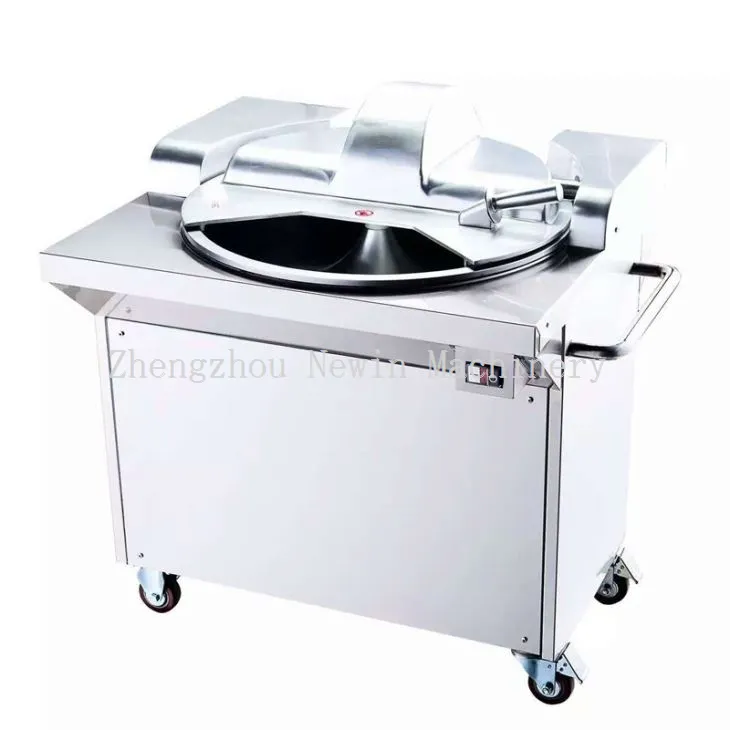
An automatic frozen meat slicer is a specialized slicing machine designed specifically to slice frozen meat products with minimal manual intervention. Equipped with advanced automation features, these machines can handle the entire slicing process, from feeding frozen meat into the slicing mechanism to discharging sliced meat, all without requiring manual adjustment or assistance. Automatic frozen meat slicers are engineered to operate efficiently and effectively even when dealing with hard and rigid frozen meat, offering precise control over slicing thickness and ensuring uniform slices with consistent quality. These slicers are commonly used in commercial food processing facilities, meat packing plants, and industrial kitchens where high-volume slicing of frozen meat is required, providing increased productivity and throughput while reducing labor costs and manual handling risks.
Semi auto meat slicer
A semi-automatic meat slicer is a slicing machine that combines manual operation with automated features to facilitate the slicing process. Unlike fully automatic slicers, which operate entirely without manual intervention, semi-automatic slicers require some level of manual input from the operator, such as positioning the meat on the slicing platform and initiating the slicing cycle. Once the meat is in place, the slicing mechanism is activated automatically, slicing the meat into uniform slices with precision and consistency. Semi-automatic meat slicers are commonly used in delis, restaurants, and foodservice establishments where moderate-volume slicing is required, offering a balance between efficiency and operator control.
How Does a Frozen Meat Slicer Differ from a Regular Meat Slicer
Blade strength and durability: Frozen meat slicers are equipped with heavy-duty blades specifically designed to slice through hard, rigid frozen meat without dulling or damage. These blades are typically made of high-quality materials such as stainless steel and are reinforced to withstand the increased resistance encountered when slicing frozen meat. In contrast, regular meat slicers may have blades optimized for slicing fresh or cooked meat, which may not be as robust or durable for slicing frozen products.
Motor power and torque: Frozen meat slicers feature powerful motors with high torque capabilities to provide the necessary cutting force required to slice through frozen meat effectively. These motors are designed to handle the increased resistance and load encountered when slicing frozen products, ensuring smooth and efficient operation. Regular meat slicers may have lower-powered motors optimized for slicing softer, unfrozen meat, which may struggle to slice through frozen meat effectively.
Cooling mechanisms: Frozen meat slicers may incorporate specialized cooling mechanisms or features to prevent overheating during prolonged use with frozen products. These cooling systems help maintain optimal operating temperatures and prevent damage to the slicer's components. In contrast, regular meat slicers may not have specific cooling mechanisms designed for extended use with frozen meat.
Slicing thickness adjustment: While both frozen meat slicers and regular meat slicers typically offer slicing thickness adjustment capabilities, frozen meat slicers may have wider adjustment ranges to accommodate thicker slices required for frozen products. They may also feature additional controls or settings specifically tailored for slicing frozen meat, such as adjustable blade speeds or feed rates.
Safety features: Due to the increased resistance and potential hazards associated with slicing frozen meat, frozen meat slicers may incorporate additional safety features such as reinforced blade guards, interlock systems, and emergency stop buttons to ensure safe operation. These safety features help protect operators from injuries and prevent damage to the slicer's components. Regular meat slicers may have similar safety features but may not be as robust or specifically tailored for slicing frozen products.
What Are the Main Components of a Frozen Meat Slicer

Frame: The frame forms the structural backbone of the slicer, providing support and stability to the other components. It is usually made of durable materials such as stainless steel or cast aluminum to withstand the rigors of slicing frozen meat.

Slicing blade: The slicing blade is the primary cutting component of the slicer, responsible for slicing through the frozen meat. It is typically made of high-quality stainless steel and is available in various sizes and configurations to accommodate different slicing needs.
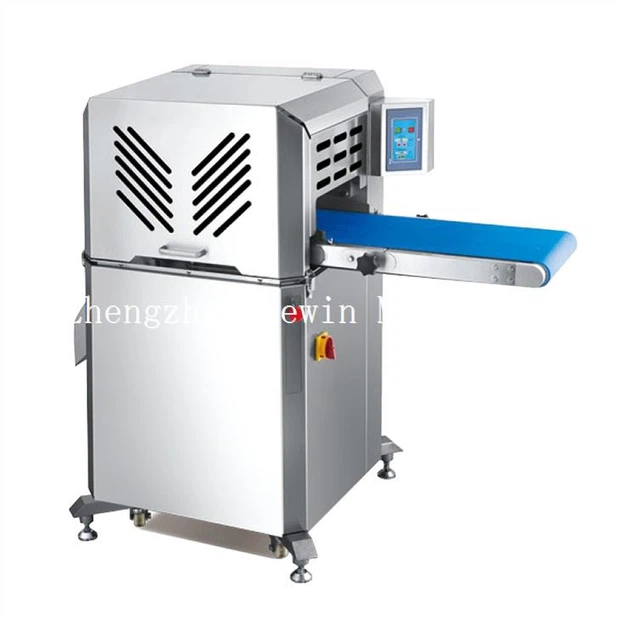
Motor: The motor powers the slicing blade, providing the necessary torque and rotational force to slice through frozen meat efficiently. Motors used in frozen meat slicers are often high-powered and designed to handle the increased resistance encountered when slicing frozen products.
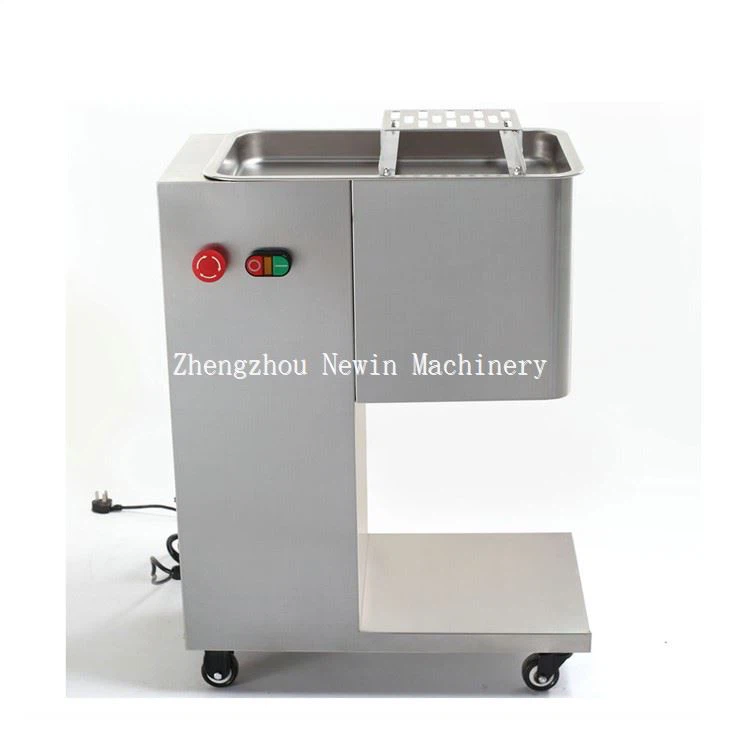
Feed system: The feed system consists of mechanisms for feeding the frozen meat into the slicing blade. This may include conveyor belts, pusher systems, or gravity-fed platforms designed to hold and position the meat for slicing.

Thickness adjustment mechanism: Frozen meat slicers typically feature a thickness adjustment mechanism that allows operators to control the thickness of the slices. This may be achieved through manual adjustments or electronic controls that regulate the position of the slicing blade relative to the meat.

Control panel: The control panel provides operators with access to various settings and controls for operating the slicer. This may include controls for adjusting slicing thickness, blade speed, and feed rate, as well as indicators and displays for monitoring slicer performance.
How Does a Frozen Meat Slicer Work
How Does the Design of a Frozen Meat Slicer Contribute to Its Efficiency
Blade strength and sharpness: Frozen meat slicers are equipped with heavy-duty blades made of high-quality materials such as stainless steel. These blades are reinforced and sharpened to withstand the rigors of slicing through hard, frozen meat without dulling or damage. A sharp and durable blade ensures efficient slicing with minimal effort and time.
Motor power and torque: Frozen meat slicers feature powerful motors with high torque capabilities to provide the necessary cutting force required to slice through frozen meat effectively. The motor's power and torque directly influence the slicer's ability to handle the increased resistance encountered when slicing frozen products, ensuring smooth and efficient operation.
Feed mechanism: The slicer's feed mechanism is designed to securely hold and position the frozen meat for slicing while advancing it towards the slicing blade at a controlled rate. A well-designed feed mechanism ensures consistent and continuous slicing, minimizing downtime and maximizing productivity.
Thickness adjustment mechanism: Frozen meat slicers typically feature a thickness adjustment mechanism that allows operators to control the thickness of the slices. This mechanism may include manual adjustments or electronic controls that regulate the position of the slicing blade relative to the meat. A user-friendly and precise thickness adjustment mechanism ensures accurate slicing results and minimizes waste.
Ease of cleaning and maintenance: The design of a frozen meat slicer should facilitate easy cleaning and maintenance to minimize downtime and ensure optimal performance. Removable parts, smooth surfaces, and accessible components simplify cleaning and maintenance tasks, allowing operators to keep the slicer in top condition with minimal effort.
Durability and reliability: A robust and durable design ensures that the frozen meat slicer can withstand heavy-duty use in commercial environments without experiencing premature wear or failure. High-quality materials, solid construction, and attention to detail in the design contribute to the slicer's longevity and reliability, reducing the need for frequent repairs or replacements.
Materials Used in Frozen Meat Slicer



Stainless steel: Stainless steel is widely used in the construction of frozen meat slicers due to its exceptional strength, corrosion resistance, and ease of cleaning. It is highly durable and can withstand the harsh conditions encountered in commercial food processing environments. Stainless steel components are also resistant to rust and corrosion, making them suitable for contact with meat and other food products.
Aluminum: Aluminum is another lightweight and durable material commonly used in the construction of frozen meat slicers. It offers good corrosion resistance and thermal conductivity, making it suitable for use in slicing blades, frames, and other components of the slicer. Aluminum components are often anodized or coated to enhance their durability and resistance to wear.
Food-grade plastics: Certain components of frozen meat slicers, such as guards, handles, and knobs, may be made from food-grade plastics. These plastics are selected for their durability, resistance to impact, and ability to meet food safety standards. Food-grade plastics are also easy to clean and sanitize, making them suitable for use in food processing equipment.
Carbon steel: Some slicing blades used in frozen meat slicers may be made from high-carbon steel. Carbon steel blades are known for their hardness, sharpness, and ability to maintain their edge over time. They are well-suited for slicing through tough, frozen meat without dulling or chipping.
Non-stick coatings: Certain components of frozen meat slicers, such as slicing blades and surfaces, may be coated with non-stick materials to prevent food from sticking and facilitate easy cleaning. Non-stick coatings such as Teflon or ceramic provide a smooth surface that reduces friction and makes it easier to slice through frozen meat.
How Does the Temperature of the Frozen Meat Affect the Slicing Process
Cutting resistance
Lower temperatures increase the cutting resistance of frozen meat. As a result, slicers require more force to cut through hard, rigid frozen meat compared to thawed or fresh meat. This increased resistance can slow down the slicing process and require more energy from the slicer's motor.
Blade wear
Slicing frozen meat can accelerate blade wear due to the hardness of the meat at low temperatures. The repeated contact between the blade and frozen meat can lead to faster dulling or damage to the blade edges, necessitating more frequent sharpening or replacement to maintain slicing performance.
Slicing precision
Extremely low temperatures can make frozen meat more brittle, increasing the risk of uneven or irregular slices. Maintaining an optimal slicing temperature helps ensure uniform slice thickness and product quality. Consistent slicing precision is crucial for achieving desirable texture and appearance in sliced meat products.
Energy consumption
Slicing frozen meat requires more energy compared to slicing fresh or thawed meat due to the increased cutting resistance. Slicers operating at low temperatures may consume more power to overcome this resistance, leading to higher energy costs and operational expenses.
Cleaning and maintaining your frozen meat slicer is crucial to ensure its optimal performance, hygiene, and longevity.
1. Safety precautions:
- Before starting the cleaning process, ensure that the slicer is unplugged and turned off to prevent any accidents.
- Use appropriate personal protective equipment such as gloves and safety goggles to protect yourself from sharp blades and cleaning solutions.
2. Disassembly:
- Begin by disassembling removable parts such as the blade, blade guard, product tray, and food pusher according to the manufacturer's instructions.
- Take care to follow proper procedures for blade removal, as blades can be sharp and pose a safety hazard.
3. Cleaning:
- Use a damp cloth or sponge to wipe down the exterior surfaces of the slicer, including the housing, controls, and base, to remove any food residue, grease, or debris.
- Prepare a solution of warm water and mild detergent or a commercial food-safe sanitizer according to the manufacturer's recommendations.
- Use a soft brush or scrubbing pad to clean the removable parts thoroughly, including the blade, blade guard, product tray, and food pusher, in the detergent solution.
- Rinse all components with clean water to remove any soap residue.
- Dry all components thoroughly with a clean towel or allow them to air dry completely before reassembly.
4. Blade maintenance:
- Carefully inspect the blade for any signs of damage, dullness, or corrosion.
- If necessary, sharpen the blade using a sharpening stone or professional sharpening service according to the manufacturer's recommendations.
- Ensure that the blade is properly aligned and securely reinstalled in the slicer before use.
5. Reassembly:
- Reassemble the slicer by reinstalling the cleaned and dried components, including the blade, blade guard, product tray, and food pusher, according to the manufacturer's instructions.
- Take care to properly align and secure each component to ensure safe and effective operation.
6. Lubrication:
- If your slicer requires lubrication, apply a food-safe lubricant to the moving parts according to the manufacturer's recommendations.
- Avoid over-lubricating, as excess lubricant can attract dirt and debris.
We will continue to strive to develop perfect products with a rigorous and honest attitude, and are committed to working with honest customers and dealers.

FAQ
Q: What is a Frozen Meat Slicer?
Q: What are the Main Components of a Frozen Meat Slicer?
Q: How Does a Frozen Meat Slicer Work?
Q: What Types of Meat Can Be Processed in a Frozen Meat Slicer?
Q: Are There Any Safety Considerations When Using a Frozen Meat Slicer?
Q: Can a Frozen Meat Slicer Be Used for Non-Frozen Meats?
Q: How Do I Clean and Maintain My Frozen Meat Slicer?
Q: What are the Different Types of Blades Available for Frozen Meat Slicers?
Q: Can I Adjust the Thickness of the Slices on a Frozen Meat Slicer?
Q: What is the Best Way to Store Meat Before Slicing It with a Frozen Meat Slicer?
Q: How Much Meat Can Be Processed in One Session with a Frozen Meat Slicer?
Q: Can I Make Deli-Style Slices with a Frozen Meat Slicer?
Q: What is the Difference Between Manual and Electric Frozen Meat Slicers?
Q: Can I Use My Frozen Meat Slicer to Cut Cheese or Bread?
Q: What Features Should I Look For When Buying a Frozen Meat Slicer?
Q: Are There Any Tips for Getting the Best Results with a Frozen Meat Slicer?
Q: Can a Frozen Meat Slicer Help Me Save Time in the Kitchen?
Q: Are There Any Recipes That Specifically Use a Frozen Meat Slicer?
Q: How Long Does it Typically Take to Slice a Pound of Meat with a Frozen Meat Slicer?
Q: What are Some Creative Ways to Use Leftover Sliced Meat from My Frozen Meat Slicer?
As one of the most professional frozen meat slicer manufacturers and suppliers in China, we're featured by quality products and competitive price. Please rest assured to buy frozen meat slicer for sale here from our factory.
frozen slicer, Automatic Meat Slicer, Semi Automatic Meat Slicer